Back

Tips for moving house with a dog

Dec 04, 2025
Moving with a dog
Moving house is an exciting time, but there can be a lot to think about, especially if you’re moving with a dog. We’ve created this guide with Alice Potter, Companion Animal Welfare Expert at the RSPCA, to provide tips and advice for moving home with a dog. From keeping your pet safe on moving day to settling them into their new space, we’ve got you covered. 

Before moving house with your dog

There are a few things you can do before moving with a dog, including registering with a new vet and checking the local laws.

Register with a local vet

Before your move, update your dog's chip and ID tag. It's a legal requirement for your dog to have these and for the owner’s contact details to be up to date. Visit your vet around a week before moving to organise this.

Check the local laws

It’s a good idea to find out if you need a new licence for your dog or if they need to be kept on a lead in certain areas of your new location. Insurance companies and neighbourhood associations may also ban some breeds, so double-check this when moving house with your dog.

Keep to regular feeding, walking and play routines

It’s important to keep to a routine when moving with a dog, so stick to their regular feeding and walking schedules. You may even want to take your dog on walks in your new area so they can get used to their new surroundings.

Keeping your dog safe and calm on moving day

Here are a few simple tips to make moving day smooth sailing for both you and your dog.

Take them for a walk

Dogs can be hyperactive and vigilant to changes, which can make them restless on moving day. To avoid this becoming problematic, try to fit in a walk on the morning of your move or the evening before. If you can't, let them chase after tennis balls or a frisbee in your garden. This can help them relax ahead of the trip.

Create a quiet room away from the chaos

When you're busy packing, give your dog a treat to keep them entertained and distracted. If possible, ask a trusted neighbour or family member to pop over and take your dog off your hands for a little while. This way, you can wrap everything up while your pet is away.

Bring familiar comfort items

As well as packing your four-pawed friend’s favourite treats and plenty of water, remember to bring familiar items. These include their bed, blankets and toys to keep them entertained and make them feel safe. Dogs have a very good sense of smell, and familiarity is key to them. So, don’t be tempted to buy new items before moving, they’ll thank you for it!

Ensure safe travel

When moving house with a dog, it’s important to ensure safety during travel. It's a legal requirement that dogs be securely transported so that they don't distract the driver. If you can, take the shortest route, keep your vehicle well-ventilated and schedule frequent breaks.


Alice says:

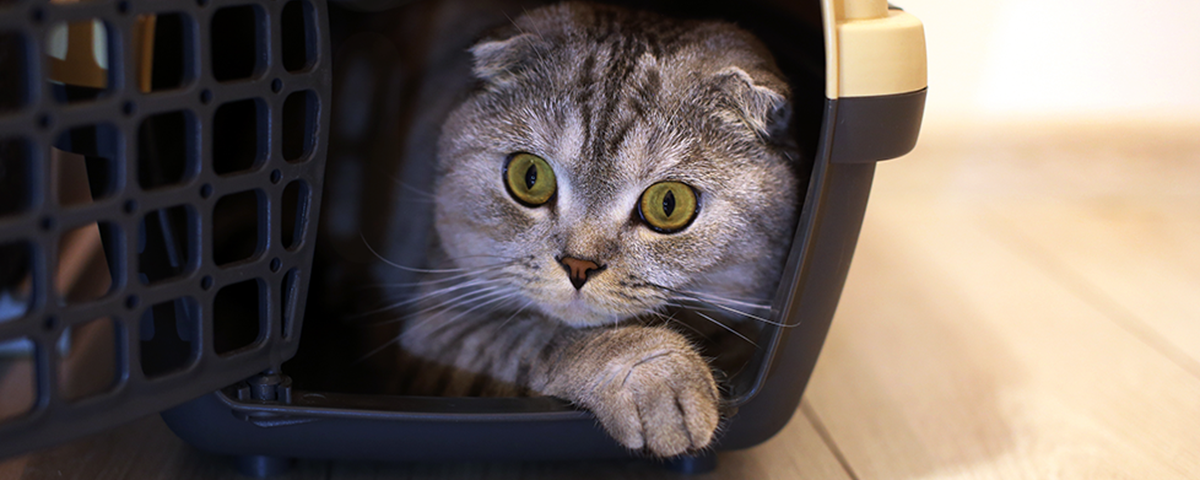
"There are a few options for transporting your dog; you can put them in crates, or they can wear a harness in the car which plugs into the back seatbelts. Another option is to put them in a travel crate that fits in the boot. However, it must fit securely, so you may need to get bungees to secure it."

Settling your dog into a new home

Once you have moved into your new home, it is important to take the time to settle your dog into their new space. Below are a few tips to help ensure that your pet is happy and comfortable.

Set up their space

Set up a designated space for your dog once you have moved into your new home. This could include food bowls, a bed and an area with toys. This enables them to familiarise themselves with their new environment and feel settled.

Maintain their usual routine

When you've moved into your new home, be sure to keep your dog's routine similar to what it was in your last home.


Alice says: "Dogs like routine as it keeps them calm and happy, so when you've moved into your new home, you must keep their routine the same as it was previously.”

Explore the new area with them

Once you’ve both settled in, you can start exploring the new neighbourhood. Many things can overwhelm your dog, so take it easy and respect their pace. For example, they may not be familiar with certain sounds or environments and might feel stressed at first. It’s also a good idea to get to know your neighbours so that your dog recognises the people on your street.

Be patient and give lots of attention

Give your dog toys to play with and teach them new training tricks to keep them stimulated. It’s also important to create a safe space for your furry friend to rest and familiarise themself with their new environment.


Alice says: "Be sure to stock up on your dog's favourite treats and give them lots of attention during this time."

Practical essentials and safety checks

Moving house with a dog means preparing the essentials in advance and ensuring your new home is safe and secure.

Pack a dog essentials bag

Before moving day arrives, prepare a dedicated bag with everything your dog needs for the first few days in your new home. You can include their regular food, treats, bowls and leads, along with their favourite toys. Having essentials easily accessible means you won't need to rummage through boxes whilst settling in.

Secure the garden and outdoor areas

Your dog will no doubt want to explore your new garden or outdoor area, so it is important to thoroughly check it for potential hazards and escape routes. Inspect fencing for gaps or holes that could allow your dog to squeeze through or dig under. Check gates have secure latches and consider adding extra bolts if needed. If a fence or gate requires repairs, keep your dog on a lead outside until the work is completed.

Identify safe local places

Familiarising yourself with your new area helps establish a routine quickly in those first weeks. Explore local walking routes to find safe, enjoyable paths for daily exercise.

Common challenges and how to handle them

Your dog might experience some anxiety when moving to a new home and may take time to adjust to new sounds and smells in their environment. While this is a common experience, there are a few ways to handle these situations.

What to do if your dog experiences anxiety

Dogs experiencing stress from moving may display various behaviours, including excessive panting, pacing, whining, loss of appetite or clinginess. If you notice these signs, stick to familiar routines as much as possible and provide extra attention and comfort. You may even want to create a quiet, safe space where they can retreat to when feeling overwhelmed.

How to approach escape or marking behaviour

Even well-trained dogs might attempt to escape or mark territory in a new home as they adjust to unfamiliar surroundings. Keep your dog on a lead during initial garden visits and supervise indoor exploration closely.

Adjust your dog to their new environment

Every home has its own set of sounds, including traffic, neighbouring dogs and delivery schedules. Your dog needs time to learn which noises are normal and unthreatening. In the first weeks, respond calmly to sounds that trigger barking or anxiety, and gradually introduce your dog to neighbours and their pets.


Ready to move house with a dog? Explore our brand-new, energy-efficient properties across the UK.


Discover our fantastic offers to help you move, including Deposit Boost, Deposit Unlock and Bank of Family. Contact our Sales Advisers today to get started.