
Whether you’re purchasing a new build or an older property, asking questions can help you make an informed decision when buying a new home. You can often better understand a home’s condition, suitability and the potential costs involved before making an offer.
This guide outlines what to ask when buying a house and what to look for when viewing a property.
Key Takeaways
Some of the key topics you may wish to address when viewing a property include:
- Property chain. Determine if there’s an onward chain. Properties with no chain can expedite the home buying process
- Inclusions. Clarify what’s included in the sale, such as built-in appliances, fixtures and fittings
- Neighbours. Ask about the neighbourhood and community
- Warranty and insurance policy. If you’re buying a new build home, it may still be covered by the homebuilder’s warranty and insurance policy
- Orientation. Consider the direction the house and garden face
Before you visit: key checks to complete ahead of a house viewing
Before attending a viewing, many buyers find it helpful to complete some initial checks. This can help put the property into context and highlight areas to explore in more detail during the visit. Checks may include:
- Reviewing your budget and potential mortgage affordability
- Researching the local area, transport links and amenities
- Checking the property’s EPC rating
- Looking at recent sold prices in the area using Land Registry data
Additional guidance on the home buying process is available on GOV.UK.
Questions to ask when viewing a house
To help you prepare for house viewings, we’ve compiled a list of questions you may find useful to ask.
1. How long has the property been on the market?
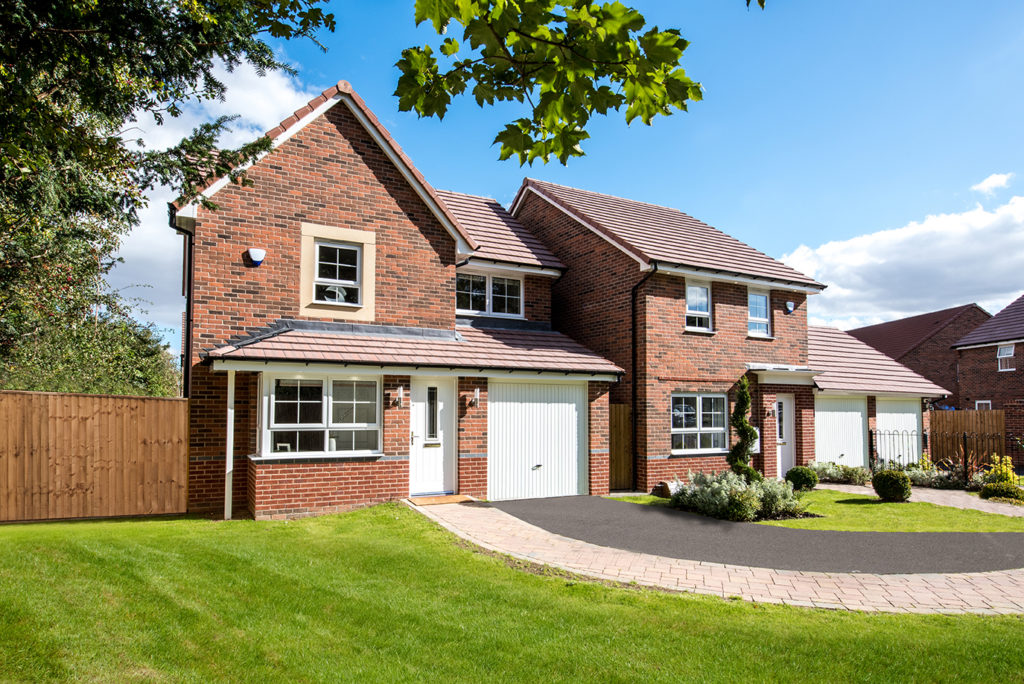
If a house has been on the market for a while, it might suggest that it’s overpriced or has hidden issues. However, it could also mean that the seller is more willing to negotiate.
2. Has the property had any major repairs or structural work?
Ask about any major work completed and request to see planning documents, building regulations approval, warranties and insurance policies. This can provide valuable insight into the property’s condition and any potential issues that may arise during a survey.
Remember that asking the current owner or estate agent questions may not provide enough context to help you make an informed decision. You can discuss any concerns with a qualified surveyor or conduct a RICS Home Survey to get an in-depth understanding of the property’s condition.
3. What condition are the electrics, plumbing and heating systems in?
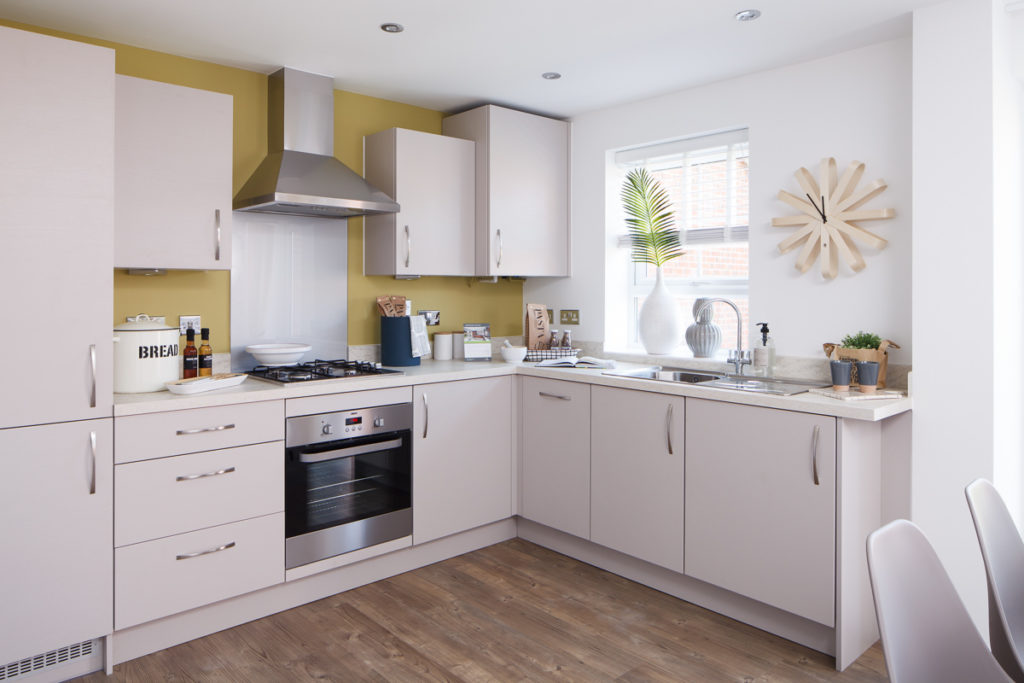
These core systems can significantly impact safety, comfort and future costs. During a viewing, sellers or estate agents may be able to provide information about the following:
- The age of the boiler and service history
- The age of electrical wiring and fuse boxes
- Water pressure and plumbing upgrades
Keep in mind that checks may require specialist inspections, particularly for older properties.
4. Are there any signs of damp, mould or insulation issues?
Damp and insulation issues are common concerns for buyers and may not always be immediately visible. Asking questions can help identify whether further investigation is needed. You may also want to look out for musty smells, visible mould patches and peeling paint. These indicators don’t always confirm a problem, but may warrant follow‑up checks from a surveyor.
5. What are the running costs of the property?
Running costs vary from property to property, but understanding them can help potential buyers assess affordability beyond the purchase price. You may want to ask about the following running costs:
- Council tax costs
- Average water and utility costs
- Any regular service or building management charges (more commonly associated with leasehold properties or flats)
6. What is the local area like day-to-day?
A viewing offers a chance to understand how the surrounding area functions in everyday life. While estate agents can provide general information, buyers may wish to form their own impressions. Considerations may include transport links, nearby amenities, traffic levels and noise at different times of day.
7. Are there any planning permissions or nearby developments?
Planned developments can impact views, traffic, noise and access to local amenities. So, it may be worth checking for nearby planning permissions to better understand potential changes to the area. Buyers can also check local authority planning portals to see approved or pending applications.
8. How much natural light does the property get?
Natural light can influence how a home and garden feel throughout the year. Garden orientation, window size and surrounding buildings all play a role. During a viewing, consider which rooms receive morning or afternoon light and how this might change seasonally.
9. What storage options does the home offer?
Storage can affect how practical a property is for different households. While layouts vary, it can be helpful to understand what storage is available, such as:
- Built‑in cupboards or wardrobes
- Loft access and usage
- Utility rooms or external storage
10. Are there any noise issues inside or outside the home?
Noise levels can vary depending on location and time of day. Asking about this can help identify potential issues that may not be noticeable during a short viewing. Noise sources may include:
- Road or rail traffic
- Neighbouring properties
- Nearby businesses or flight paths
11. What is included in the sale?

It’s important to clarify what’s included in the sale to avoid later disputes. Knowing what’s included, from garden furniture to cooking appliances, will allow you to budget for things you’ll need to purchase after moving in. Items to ask about include:
- Fixed fixtures versus removable fittings
- Built-in appliances
- Outdoor structures such as sheds or fencing
12. What are the property's boundaries and responsibilities?
A property’s boundary, as well as shared responsibilities, are important to ask about, particularly when communal areas or shared access are involved. Questions may cover:
- Boundary lines and fencing
- Shared driveways or paths
- Maintenance responsibilities for communal spaces
13. How long have the current owners lived here and why are they moving?
Existing homeowners may be relocating or upsizing, but if they’re moving because of issues like noisy neighbours or structural problems, you have a chance to investigate further while viewing.
14. Are there any issues worth raising with a surveyor?
Older homes may require more initial maintenance than new ones. Whether that is improving energy efficiency or fixing damp issues, a viewing can highlight the areas you may want to discuss with a surveyor before proceeding. Common points to raise include:
- Cracks or uneven flooring
- Signs of damp or water damage
- Roof condition
- Older windows or doors
FAQs about house viewings
-
During a viewing, you may want to check storage spaces, window condition, external areas and signs of wear that are not immediately visible. Making notes or using a checklist when viewing a house can help ensure key points are not missed.
-
You may choose to view a property more than once. A second or third viewing can provide a different perspective and help you compare properties.
-
Some buyers take photos or measurements to help compare properties later or refer to them when assessing layouts or storage options. Ask permission from the current homeowner or estate agent before taking photos during a viewing.
-
There is no standard length for a house viewing. Some viewings may be brief, while others take longer if buyers wish to look more closely at certain aspects or ask detailed questions.
-
When viewing an older home, buyers may wish to ask additional questions about maintenance, repairs and the age of key systems such as electrical wiring, plumbing or heating.
-
A viewing is primarily an opportunity to gather information about the property. While some buyers raise pricing questions at this stage, others prefer to focus on condition and suitability first.
-
A viewing provides a general impression of a property, but it does not replace a professional survey. Surveys can identify issues that may not be visible during a viewing and provide a more detailed assessment of the property’s condition.
Explore our range of new homes across the UK to plan your move today. Explore our schemes and offers to help you move – our T&Cs have more information on eligibility criteria.
Call or visit our Sales Advisers at your nearest development to find out more.
Disclaimer:
This article is for general informational purposes only and does not constitute professional advice. Please speak with a mortgage, financial or legal adviser for more information regarding your specific circumstances.
Related Articles
-

14 pieces of advice when buying your first home
Apr 12, 2022 -

Help for First Time Buyers
Jul 10, 2025 -

Tips on how to save for a house
May 05, 2026