Whether you’ve missed payments or are just starting to earn a regular income, your credit score can be impacted by several factors – they can all make a difference when applying for a mortgage. However, you can still obtain a mortgage with bad credit.
This guide explores the potential reasons behind a low credit score and unpacks how lenders use your credit report to make decisions about your loan application, as well as how to improve your credit.
What is bad credit?
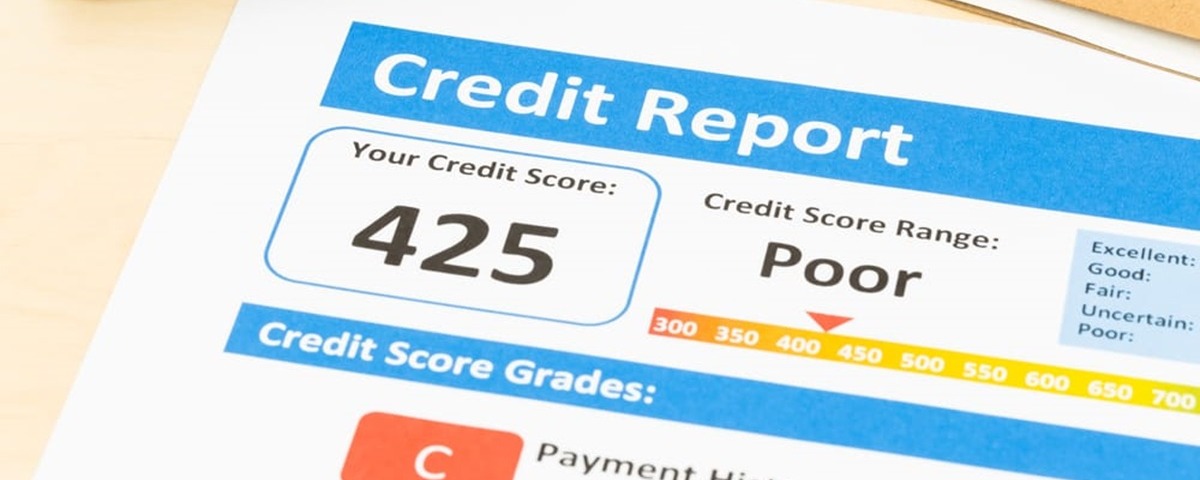
‘Bad’ credit refers to a low credit score. Credit scores typically range from 300 to 850, and scores below 580 are generally considered ‘bad’, but they can usually be improved. If you have a low credit score, it can be difficult to secure loans, as lenders may view you as a higher risk.
Why do I have a low credit score?
Many factors can contribute to a low credit score, including:
-
Late or missed payments. Consistently paying bills late, including rent and utility bills, can negatively impact your credit score.
-
Past financial difficulties. Any prior financial troubles, including bankruptcy filings, can lower your credit score and remain on your credit report for years.
-
No credit history. If you’ve never taken out a credit card or loan, your credit score may be lower, as lenders can’t see a track record of borrowing and repaying.
-
Credit report errors. Any mistakes on your credit report, such as incorrect account information, may lower your credit score.
Can you get a mortgage with bad credit?
The good news is that you can still obtain a mortgage with bad credit. Lenders are generally wary of applicants with low credit scores as they can view them as risky borrowers. They may see it as an inability to make on-time repayments, and this can limit the number of lenders willing to offer you a loan.
As a result, a home mortgage for low credit scores may see you paying a higher interest rate. However, some lenders will consider other factors, including your current financial situation and you may even consider making a larger deposit to reduce the risk posed by bad credit.
How a larger deposit can help with bad credit
Some lenders may require a larger deposit from mortgage applicants with low credit scores – typically 15 to 25% of the property value. This means your loan-to-value (LTV) ratio is more favourable, which can help you be perceived as a lower-risk borrower, even with a low credit score.
Why are lenders cautious about low credit scores?
Lenders can be cautious when approving loans to applicants with low credit scores. Here are a few things to expect when applying for a mortgage:
-
Higher deposit requirements. Mortgage lenders may require a higher deposit if you have a low credit score.
-
Higher interest rates and fees. You may be offered higher interest rates on your mortgage as lenders protect themselves against the perceived risk associated with a low credit score.
-
Stricter affordability checks. Stricter affordability checks may be required for those with low credit scores.
-
Reduced choice of lenders. Your pool of lenders may be smaller due to your low credit score, and some may decline your application or offer less favourable terms.
How lenders use your credit report
To make a judgment on whether to offer you a loan for your mortgage, lenders look at your credit report. They generally request this from credit reference agencies such as Experian, TransUnion or Equifax. Lenders ask for your permission to view your credit report when you apply for a mortgage.
Your credit report includes personal information such as your name, address, and date of birth, as well as your credit account history, including loans, previous mortgages, and your overall payment history. It outlines any late or missed payments, as well as bankruptcies.
If your chosen lender refuses your request because of your credit score or history, they must explain why and which credit reference agency they used.
How to improve a low credit score
There are several ways to boost your credit score and improve your chances of securing a mortgage.
1. Get on the electoral register
Registering to vote can enhance your credit score and increase your chances of securing a mortgage. When you register to vote, lenders gain easier access to your personal information, including your name and address, through your electoral details.
2. Pay bills on time
Even during challenging times, prioritise making bill payments on time to avoid long-term issues. Set up direct debits to ensure you never miss a payment, and if you’re facing significant difficulties, contact your lender to explore potential changes to your repayment schedule.
3. Review and correct errors on your credit report
You can view your credit report with a ‘soft check’ to check that all the information is correct. If you spot any mistakes, write to the credit reference agency and ask for them to be corrected immediately. Include an explanation of why the information is wrong and provide evidence if you can.
Here are some common errors found on credit reports:
-
Wrong person’s details. Your credit report might include another person’s credit history, especially if you share similar information, such as the same name.
-
Outdated information. Closed credit accounts might be incorrectly labelled as still open, or have an old address listed.
-
Missed payments. Missed payment may be incorrectly recorded.
-
Inconsistencies. Mistakes can occur due to incorrect information, such as misspelt names or incorrect addresses.
-
Duplicates. Your credit file might report the same debt twice, creating an inaccurate picture of your finances and negatively affecting your credit score.
Accurate information can’t be removed, but if you have enough evidence, you can dispute any of the information on your credit report.
4. Reduce debt and avoid new credit applications
Avoid making further credit applications, as applying for multiple loans at once can negatively impact your credit score. Wait until you’ve resolved any issues with your file and improved your score before applying for a mortgage again.
5. Build a responsible credit history
You can improve your credit score with simple steps:
-
Cancel unused credit cards. Lenders consider your available credit, and using a large percentage of it can signal financial strain and affect your credit score.
-
Get a credit builder card. These cards are designed to boost your credit score and are designed for people with low or no credit.
6. Speak to a New Home Mortgage Advisor (NHMA)
Before applying for any mortgage, be sure you can afford the deposit and repayments. New Homes Mortgage Advisers (NHMA) can help ensure you don't overstretch yourself or get into financial difficulty.
In today’s market, some mainstream lenders offer credit to people with low credit scores. If you’re concerned that your credit history might hinder your mortgage application, consider seeking advice from an NHMA.
Explore our new homes across the UK and discover our offers to help you move.
Call or visit our Sales Advisers today to start your homebuying journey.
Related Articles
-

Tips on how to save for a house
May 05, 2026 -

Speaking To A Mortgage Advisor: Your Guide
May 27, 2022 -

Guide to mortgage underwriting rules in the UK
Apr 03, 2026